
Unlock Your Winning Potential: A Data-Driven Guide to Sweepstakes
Disclaimer: The odds and tax laws mentioned are based on 2026 data. Regional variability is significant; for example, residents of Quebec, Canada, or certain U.S. states like Rhode Island may be excluded from specific national sweepstakes due to local bonding and registration laws. Always check the “Official Rules” for eligibility.

The allure of winning a substantial cash prize, a luxurious vacation, or a brand-new car with minimal effort is a powerful motivator. Each day, millions engage in online sweepstakes and giveaways hosted by prominent brands like HGTV and Publishers Clearing House (PCH). However, a crucial question persists: Is the time invested in entering these contests a prudent strategy, or merely a pursuit of an illusion? To answer this, we must look beyond the flashy promotions and delve into the statistical realities, the underlying business motivations, and the often-overlooked costs of “free” entries.
This comprehensive guide is designed for individuals who enjoy the “thrill of the hunt,” those seeking to understand the mathematical probabilities of winning, and organized individuals capable of tracking multiple entries. It is also invaluable for anyone wishing to discern legitimate offers from potential scams. Conversely, this guide is not intended for those seeking a reliable source of income, expecting immediate grand prize wins, or facing urgent financial needs.
The Mathematics of Winning: Understanding Your Odds
To determine the true value of participating in sweepstakes, it is essential to examine the probabilities involved. By legal definition, sweepstakes are games of chance that require “no purchase necessary” to enter, meaning your primary investment is your time.
1. National vs. Local Odds: The “Big Fish” Phenomenon

The odds of securing a prize in massive national sweepstakes, such as the HGTV Dream Home or the PCH “Set for Life” prize, are astronomically low. With over 100 million entries typically recorded for these high-profile events, your individual chance of winning hovers around 1 in 100,000,000. To put this into perspective, you are statistically more likely to be struck by lightning (approximately 1 in 15,300) than to win a top-tier national grand prize [1].
However, these statistics shift dramatically when focusing on local or niche giveaways. A local car dealership offering a $500 service voucher might only attract 500 entries, improving your odds to a more favorable 1 in 500. Experienced “sweepers” often bypass the million-dollar national prizes, instead concentrating on these “low-hanging fruit” opportunities where competition is significantly reduced.
2. The “Barrier to Entry” Rule: Friction as Your Ally
Data consistently demonstrates a direct correlation between the effort required for entry and the probability of winning. This concept is known in marketing as “friction.” Most individuals prefer ease; they will readily click a “Like and Share” button on social media but are less inclined to compose a 200-word essay.
- One-Click Entries: These offer the lowest odds due to minimal entry barriers. Brands frequently utilize these to rapidly boost social media engagement.
- Survey/Form Entries: Providing slightly better odds, the “friction” of completing a multi-field form typically deters about 40% of potential entrants.
- Skill-Based Contests: Contests requiring specific skills, such as photo, essay, or video submissions (e.g., National Geographic Photo Contest), offer the best odds. The necessity for effort, talent, and time significantly reduces the applicant pool.
3. The “Instant Win” Illusion
Many contemporary sweepstakes employ “Instant Win” mechanics, providing immediate notification of small prizes. While these can feel gratifying, data indicates they are often designed to encourage daily participation. These prizes are typically high-volume but low-value, serving as a “hook” to maintain your engagement with the brand’s marketing efforts over an extended period.
The Business Logic: Why Companies Host Giveaways
It is a common misconception that companies organize sweepstakes purely out of generosity. In reality, a sweepstakes is a meticulously calculated marketing expenditure. According to a 2025 report, giveaways boast a conversion rate of nearly 34%, surpassing most other forms of digital advertising [2].
Companies leverage sweepstakes for several strategic reasons:
- Data Acquisition: Your personal information holds significant value. By entering, you are essentially exchanging your data for a “chance” at a prize.
- Market Research: Entry forms often include questions about consumer buying habits, providing brands with an economical method for gathering market insights.
- Viral Growth: “Refer-a-friend” mechanisms transform entrants into unpaid promoters, amplifying brand reach.
The Hidden Costs: Taxes and Privacy Implications
The term “free” in the context of sweepstakes is often misleading. There are two significant “costs” that every participant must comprehend.
1. The Tax Bill: Navigating the “Winner’s Curse” (IRS Rules for 2026)
In the United States, the IRS considers sweepstakes winnings as taxable income. If you win a prize valued at $2,000 or more, the sponsor is legally obligated to issue you a Form 1099-MISC [3]. This is a critical point where many new winners encounter difficulties.
| Prize Value | Estimated Tax (24% Bracket) | Real Cost to You | Hidden Expenses |
|---|---|---|---|
| $1,000 Cash | $240 | You keep $760. | None. |
| $30,000 Car | $7,200 | You must pay $7,200 in cash. | Insurance, registration, and sales tax. |
| $5,000 Trip | $1,200 | You must pay $1,200. | Meals, tips, and excursions. |
| $500,000 Home | $120,000 | You must pay $120,000. | Property taxes, HOA fees, and maintenance. |
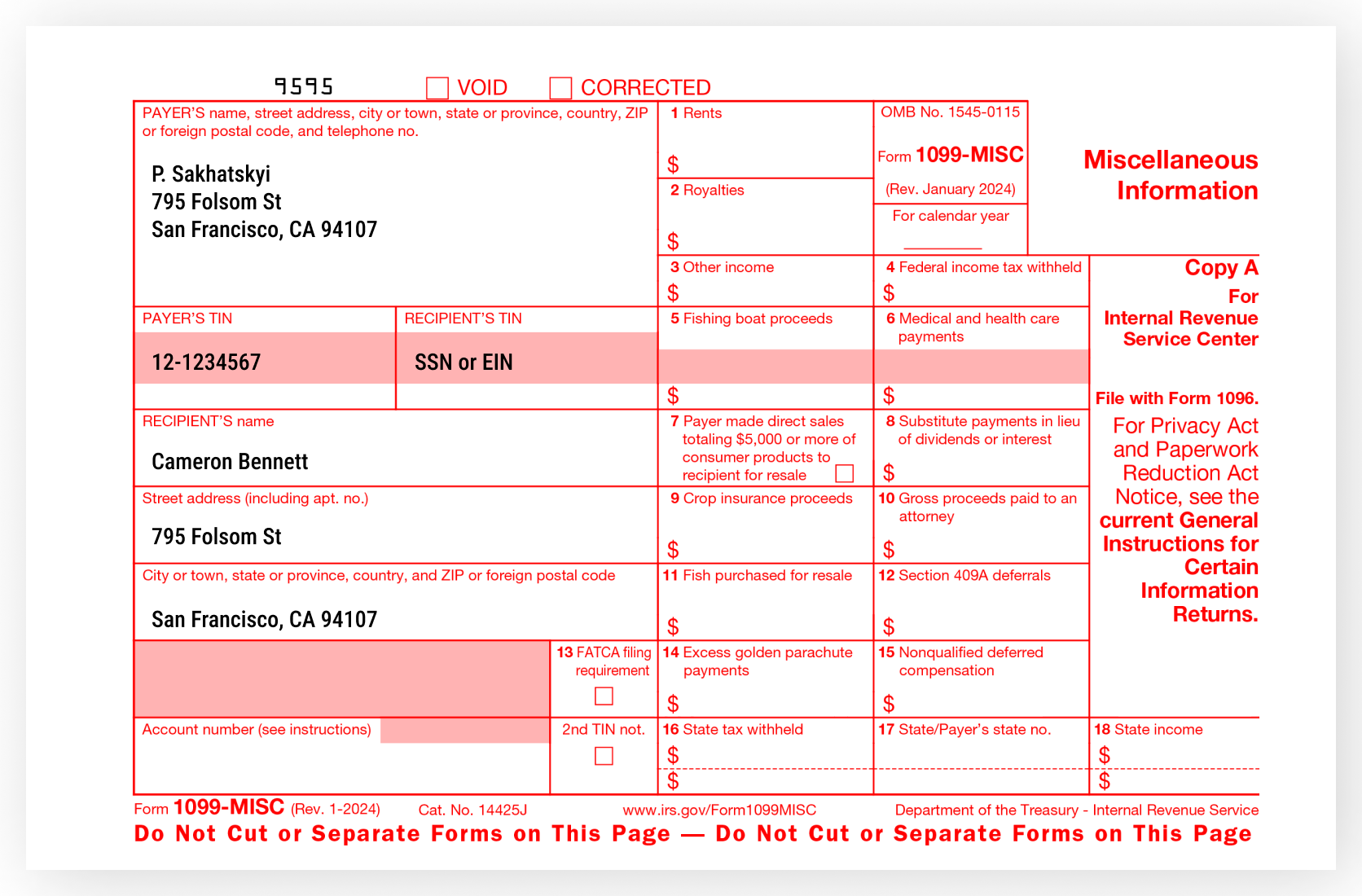
The Fair Market Value (FMV) Strategy: You are taxed on the Fair Market Value (FMV) of the prize, not the Manufacturer’s Suggested Retail Price (MSRP). Sponsors often inflate the MSRP for marketing purposes. If you win a “Pro Gaming Laptop” advertised at $3,000, but can find it for $2,200 on Amazon, you can use the lower price on your tax return. It is crucial to provide documentation to the IRS to substantiate this adjustment.
2. The Privacy Trade-off: You Are the Product
When you enter a sweepstakes, you are contributing to a marketing database. A “qualified lead” can be valued between $5 and $50 by a company.
- Data Selling: Many sweepstakes terms permit sponsors to share your data with “partners,” which often translates to selling your information.
- The Spam Surge: Participants frequently experience a significant increase (up to 300%) in marketing emails within 30 days of starting their hobby.
- Telemarketing: Providing your phone number can lead to calls from sales teams. In 2026, AI-driven telemarketing has made these calls more frequent and challenging to block.
The “Scam” Factor: Staying Safe in 2026
With the shift of sweepstakes to online platforms, scams have escalated. Legitimate sweepstakes are rigorously regulated by the Federal Trade Commission (FTC). Here’s how to distinguish genuine opportunities from fraudulent ones:
Red Flags of a Sweepstakes Scam
- “You Must Pay to Claim Your Prize”: This is the definitive indicator of a scam. Reputable companies will never request a “processing fee” or “pre-paid taxes.”
- Requests for Sensitive Information: While a legitimate sponsor will require your SSN for tax purposes after a significant win, they will never ask for your bank account password during the entry process.
- Unsolicited “Winning” Notifications: Disregard any messages claiming you have won a contest you did not enter.
- High-Pressure Tactics: Phrases like “You must claim this in the next 10 minutes!” are designed to induce panic. Legitimate sponsors typically provide several days to respond.
Vetting a Sponsor
Before entering, perform a quick verification. Is the sponsor a well-known brand? If the company is unfamiliar, search for “[Company Name] + Sweepstakes Scam” on Google. Verify the presence of a physical address and a clearly linked “Privacy Policy” at the bottom of their website.
Community Experiences: Real-World Testimonials
To offer a balanced perspective, we have summarized insights from the “sweeping” community based on public platforms like r/sweepstakes and Sweepstakes Advantage.
A common theme among “pro sweepers” is the importance of consistency. One Reddit user shared their routine of entering 50 contests daily. Over a year, they won a 0 Amazon gift card, high-end headphones, and various product samples. Their conclusion: “It’s a hobby, not a job. If you do it for fun, the wins are a bonus.”
Another community member highlighted the “tax trap.” They won a $40,000 boat but had to decline the prize due to an inability to cover the $10,000 tax bill. This serves as a reminder that winning does not always equate to a net gain.
Actionable Strategy: The “Pro Sweeper” Playbook
If you decide that sweepstakes participation is a worthwhile endeavor, approach it with a strategic mindset. Utilize this data-backed playbook to maximize your “Return on Time Invested” (ROTI).
1. The “Burner” Identity
Never use your primary email or personal phone number for sweepstakes entries.
- Email: Create a dedicated email account exclusively for sweepstakes. This keeps your main inbox clutter-free.
- Phone: Employ a Google Voice number. It is free and allows you to screen calls from marketers while remaining accessible for prize verification.
2. The “Low-Volume” Focus
Shift your attention away from million-dollar prizes and instead target:
- Local Radio/TV Contests: These often have fewer entrants due to geographic restrictions.
- Instagram/TikTok Giveaways: Seek out accounts with 5,000 to 20,000 followers. They provide excellent odds.
- Twitter (X) “Retweet” Contests: These are quick to enter, though prizes are typically smaller.
3. Mastering the “Friction”
Actively seek out contests that demand effort.
- Photo Contests: If you possess a quality smartphone camera, enter photo contests that most individuals will skip.
- Essay Contests: Even a brief 100-word essay can significantly reduce competition.
- Mail-In Entries: Some sweepstakes permit mail-in entries. For the cost of a stamp, your odds could be substantially better than those in the online entry pool.
4. Leverage Technology to Your Advantage
- Auto-Fill: Use browser extensions to store your entry information, enabling one-click form completion.
- Sweepstakes Directories: Utilize reputable directories like Sweepstakes Advantage or The Freebie Guy to discover legitimate, current offers.
- Calendar Reminders: For contests allowing “Daily Entry,” set recurring reminders.
5. The “Exit Strategy”
Before submitting an entry, ask yourself: “If I win this, can I genuinely afford it?”
- If a $50,000 car comes with a $12,000 tax bill you cannot afford, do not enter.
- If a trip to Hawaii excludes airfare you cannot cover, reconsider your entry.
Final Verdict: Are Sweepstakes Worth Your Time?
The data suggests that participating in national grand-prize sweepstakes is an inefficient use of time due to low odds. However, as a hobby, sweepstakes can be rewarding. By concentrating on local contests and skill-based entries, you can realistically anticipate winning several hundred dollars worth of prizes annually.
The key is to approach it as a game, not a financial plan. Prioritize your privacy, understand your tax obligations, and never allow the “dream” of a significant win to overshadow the practical realities of the numbers.
References
[1] National Weather Service. (n.d.). Lightning Safety. Retrieved from https://www.weather.gov/safety/lightning-odds
[2] Opinion Stage. (2025). Giveaway Statistics & Trends. Retrieved from https://www.opinionstage.com/blog/giveaway-statistics/
[3] JD Supra. (2026, January 27). New Prize Tax Rules Raise the 1099 Threshold for Sweepstakes and Contests. Retrieved from https://www.jdsupra.com/legalnews/new-prize-tax-rules-raise-the-1099-3805861/
[4] Internal Revenue Service. (n.d.). Topic no. 419, Gambling income and losses. Retrieved from https://www.irs.gov/taxtopics/tc419
[5] Internal Revenue Service. (n.d.). Instructions for Forms W-2G and 5754. Retrieved from https://www.irs.gov/instructions/iw2g

Morgan Hayes brings a sharp, analytical eye to the world of online sweepstakes and giveaways. Before joining AllFreeStuff.com, Morgan worked as a compliance consultant for promotional marketing agencies, gaining an insider’s view of how legal “odds of winning” are calculated. Morgan focuses on debunking “guaranteed win” scams and teaching readers how to safely enter high-value contests without compromising their digital security. From tracking seasonal sweepstakes trends to explaining the IRS implications of a big win, Morgan is the site’s go-to source for making informed entries.