Navigating the Modern Landscape of Online Discounts and Savings
Last reviewed on: January 9, 2026. Coupon availability, effectiveness, and regional restrictions may vary by retailer and platform. This article contains links to external platforms for informational purposes.
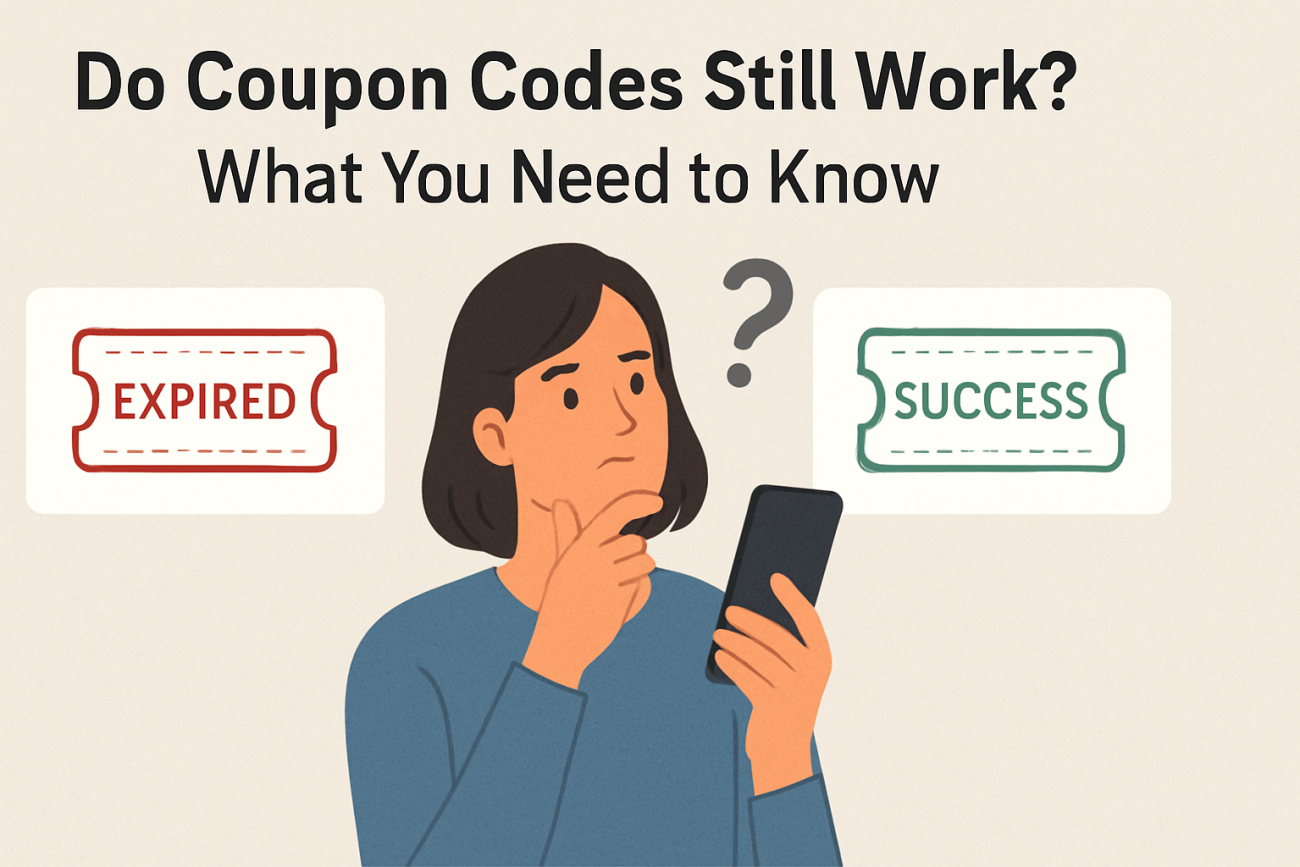
In the ever-evolving world of online shopping, the quest for a good deal remains a universal pursuit. For years, coupon codes were the holy grail of savings, promising instant discounts with a simple copy-paste. But in 2026, with the rise of personalized offers, loyalty programs, and sophisticated browser extensions, many shoppers find themselves asking: Do coupon codes still work? And if so, how do you find the ones that actually deliver?
This comprehensive guide will demystify the modern coupon landscape. We’ll explore why traditional coupon hunting has become less effective, introduce you to the powerful tools that automate savings, and reveal the common pitfalls that lead to frustrating “code not working” messages. Our goal is to equip you with the knowledge and strategies to shop smarter, ensuring you maximize your savings without falling for outdated tactics or privacy traps.
Who This Is For / Not For
- This guide is for: Budget-conscious shoppers, individuals frustrated by expired or invalid coupon codes, those looking to streamline their savings process, and anyone curious about the effectiveness of modern coupon extensions. It’s for shoppers who want to leverage technology to find real discounts.
- This guide is not for: Shoppers who prioritize absolute privacy over convenience (as some tools collect browsing data), those who prefer to pay full price for immediate gratification, or individuals unwilling to adapt to new digital tools and strategies. While savings are attainable, they often come with a small learning curve and a shift in approach.
The State of the Coupon in 2026: A Shifting Landscape
The digital coupon has undergone a significant transformation. What was once a straightforward system of public codes has evolved into a more complex, often automated, ecosystem. Understanding this shift is key to successful savings.
The Shift from Manual to Automatic: The Rise of Browser Extensions
Gone are the days when manually searching for coupon codes on generic coupon sites was the most efficient method. Retailers have become savvier, often issuing single-use, personalized, or time-sensitive codes that are difficult for public sites to track. This has paved the way for browser extensions to become the dominant force in coupon discovery. These tools automatically scan for and apply available codes at checkout, transforming the tedious hunt into a seamless, background process. This automation is a double-edged sword: it’s incredibly convenient but also means you’re relying on a third party to find your deals [1].
The “Broken Code” Epidemic: Why 1 in 4 Shoppers Face Failure
Despite the advancements, the frustration of a coupon code failing at checkout remains a common experience. Research indicates that as many as 1 in 4 shoppers abandon their carts due to broken coupons [2]. This isn’t always due to user error; often, codes are expired, regionally restricted, or tied to specific conditions that aren’t immediately obvious. This high failure rate contributes to shopper fatigue and skepticism about the efficacy of coupon codes in general. The modern coupon landscape requires a realistic understanding that not every code will work, and a willingness to try alternative strategies.
Transparency Note: Many of the popular coupon browser extensions operate on an affiliate model. This means they earn a commission when you make a purchase using a deal they found. While this allows them to offer their services for free, it also means they are collecting data on your shopping habits. It’s a trade-off: convenience and savings in exchange for sharing your browsing and purchasing information. Always review the privacy policies of any extension you install.
Top Tools: The Automatic Savings Revolution
To navigate the modern coupon landscape effectively, leveraging the right tools is essential. These browser extensions and apps automate the process of finding and applying discounts, saving you time and money.
| Tool | Primary Benefit | Reward Type | The Catch |
|---|---|---|---|
| PayPal Honey | Automatic coupon application, price tracking | Honey Gold (redeemable for gift cards, PayPal cash) | Rewards expire if inactive for 365 days |
| Rakuten | Cash back on purchases | Cash (via PayPal or check) | Pays out quarterly, minimum $5.01 earned |
| Capital One Shopping | Automatic coupon application, price comparison, rewards | Gift cards | Rewards are gift cards only |
| Ibotta | Cash back on groceries & online purchases | Cash (via PayPal, bank, gift cards) | $20 minimum withdrawal, maintenance fee for inactivity |
PayPal Honey: The Price-Tracking Powerhouse
PayPal Honey is arguably the most well-known coupon extension, and for good reason. It automatically finds and applies coupon codes at checkout, and its “Droplist” feature tracks prices, notifying you when an item you’re watching goes on sale. Honey also offers “Honey Gold,” a rewards program that gives you points on eligible purchases, redeemable for gift cards or PayPal cash. It’s available on five different browsers and even compares prices between Amazon sellers, including shipping costs [3]. While its rewards can expire if you don’t earn at least 10 points within a consecutive 365-day period, its ease of use makes it a favorite for many shoppers.
Rakuten: The Cash-Back King
If cash back is your priority, Rakuten (formerly Ebates) is a formidable contender. Boasting over 20 million users, Rakuten has paid out billions in cash back since its inception. It works by giving you a percentage of your purchase back when you shop at participating retailers. Rakuten pays out quarterly via PayPal or check, provided you’ve earned a minimum of $5.01. It also offers in-store cash back by linking your credit card to offers. While it doesn’t automatically apply coupon codes like Honey, it’s excellent for maximizing cash back on purchases you were already going to make [4].
Capital One Shopping: The Universal Contender
Capital One Shopping is another popular browser extension that automatically applies coupon codes and compares prices across different retailers. What sets it apart is that you don’t need to be a Capital One cardholder to use it. It works at over 30,000 online retailers and offers rewards redeemable for gift cards. It’s a solid all-around choice for automated savings and price comparison [5].
Ibotta: For Groceries and Beyond
While often associated with grocery savings, Ibotta also offers cash back on online purchases. It allows you to earn money back on everyday items, both in-store and online, through its app and browser extension. Ibotta has paid out over $1.8 billion to its users since 2012. You can withdraw your rewards once you reach a minimum of $20. Be aware that inactive accounts (more than 180 days) may incur a maintenance fee [6].
Why Your Code Isn’t Working: The “Skip” List of Common Failures
Even with the best extensions, coupon codes can sometimes fail. Understanding the common reasons behind these failures can save you frustration and help you troubleshoot effectively.
The “New Customer” Trap: Why Your Old Account is Blocking the Deal
Many of the most attractive coupon codes, especially those offering significant percentage discounts, are reserved for first-time customers only. If you’re logged into an existing account or have previously purchased from the retailer, the code will likely be invalid. This is a common strategy for businesses to acquire new customers. The workaround? Sometimes, using a different email address or even a guest checkout can bypass this restriction, but it’s not guaranteed and can be against terms of service.
Brand Exclusions: Why the Code Works for Socks But Not the Sneakers
Retailers often have brand exclusions for sitewide coupon codes. High-demand or luxury brands (e.g., Apple, Nike, certain designer labels) are frequently excluded from general promotions. You might find a 20% off code that works for most items in your cart but mysteriously fails when you add that specific, coveted item. Always check the fine print for a list of excluded brands or categories [7].
Regional Locks: The Frustration of “US-Only” Codes
Coupon codes are frequently region-locked. A code found on a US-based coupon site might not work for shoppers in Canada, the UK, or Australia, and vice-versa. This is due to varying pricing strategies, taxes, and shipping logistics. If you’re shopping internationally, always look for codes specifically designated for your region [7].
Stacking Limits: Why You Can’t Combine All the Deals
Most retailers have strict policies against stacking multiple coupon codes or combining a coupon code with an existing sale price. If an item is already discounted, a general percentage-off code might not apply. Similarly, you typically can’t use a free shipping code and a percentage-off code simultaneously. The system will usually apply the best available discount, but it won’t let you combine them for an even deeper cut [7].
Pro Hacks: Beyond the Extensions for Deeper Savings
While browser extensions automate much of the coupon hunting, some advanced strategies can unlock even more savings, often by leveraging retailer behavior.
The “Abandoned Cart” Strategy: Letting the Deals Come to You
This is a classic and often effective tactic. Add items you’re interested in to your online shopping cart, proceed to the checkout page (entering your email address), and then abandon the cart without completing the purchase. Many retailers, eager to convert a potential sale, will send you a personalized discount code via email within 24-48 hours, enticing you to complete your purchase. This strategy works best for items you’re not in a hurry to buy [8].
Newsletter Gold: The Most Reliable Way to Get a Discount
Signing up for a retailer’s email newsletter is often the most reliable way to secure a first-time discount. Many brands offer a 10-15% off code just for subscribing. While this might fill your inbox with promotional emails, you can always unsubscribe after using the code or direct these emails to a secondary inbox. This method is particularly effective for new brands or stores you haven’t shopped with before.
Social Media & Influencer Codes: Finding Exclusive Promos
Keep an eye on social media platforms and follow your favorite brands or influencers. Companies often release exclusive, time-limited coupon codes through these channels. Influencer marketing frequently involves unique discount codes that offer a percentage off or a special deal. These codes might not be picked up by general coupon extensions, making them a valuable source for deeper savings.
Community Perspectives: Real Stories from the Checkout
Disclaimer: The following are summaries of community experiences from various online forums and do not reflect the views of the author. They are included to provide a broader perspective on the effectiveness of coupon codes.
The “Honey Gold” Success: A Reddit user shared their consistent success with PayPal Honey. “I’ve accumulated so much Honey Gold just from regular shopping,” they wrote. “It’s not life-changing money, but getting a $20 Amazon gift card every few months for doing nothing is pretty sweet. It just works in the background.” This highlights the passive savings potential of automated extensions [3].
The “Abandoned Cart” Surprise: Another shopper recounted a pleasant surprise: “I left a pair of shoes in my cart because I wasn’t sure about the price. Two days later, I got an email with a 15% off code! It was exactly what I needed to pull the trigger.” This testimonial underscores the effectiveness of the abandoned cart strategy [8].
The “Expired Code” Frustration: A common complaint across forums revolves around outdated coupon sites. “I hate those sites that claim ‘100% working codes’ only for every single one to be expired,” one user vented. “It’s a waste of time and just makes me angry.” This sentiment reinforces the need for reliable, up-to-date sources for codes [7].
Actionable Guidance: Your Coupon Strategy for 2026
To maximize your savings and minimize frustration, adopt a systematic approach to using coupon codes.
Step 1: Install and Configure Browser Extensions
- Choose Your Champions: Select 1-2 reputable browser extensions (e.g., Honey, Capital One Shopping, Rakuten) that align with your shopping habits. Avoid installing too many, as they can sometimes conflict or slow down your browser.
- Review Privacy Settings: Understand what data the extensions collect and adjust privacy settings if available. Consider using a dedicated browser profile for shopping if you’re highly privacy-conscious.
Step 2: Adopt a Smart Shopping Workflow
- Start with Extensions: When you’re ready to buy, let your chosen browser extension run its course at checkout. It will automatically test available codes.
- Check for Newsletter Codes: If the extension doesn’t find a satisfactory code, quickly check if the retailer offers a first-time subscriber discount for their newsletter.
- Consider the Abandoned Cart: For non-urgent purchases, try the abandoned cart strategy. Add items, enter your email, and wait 24-48 hours.
- Manual Search (Last Resort): If all else fails, a quick search for “[Retailer Name] coupon code [Month/Year]” might yield a fresh, community-shared code, but be prepared for a lower success rate.
Step 3: Stay Safe and Informed
- Avoid Suspicious Sites: Be wary of coupon sites that look unprofessional, have excessive pop-ups, or ask for unusual personal information. Stick to well-known aggregators or direct retailer sites.
- Phishing Awareness: Never click on suspicious links in emails claiming to offer exclusive discounts, especially if they ask for login credentials or payment information outside of a secure checkout process.
- Read the Fine Print: Always take a moment to understand the terms and conditions of any coupon code you use, especially regarding exclusions, expiration dates, and minimum purchase requirements.
Conclusion: Shop Smarter, Not Harder
The era of coupon codes is far from over, but the game has changed. While the thrill of manually discovering a hidden gem of a code might be less frequent, the power of automated tools and strategic shopping tactics has made saving money easier than ever before. By embracing browser extensions, understanding why codes sometimes fail, and employing smart hacks like the abandoned cart strategy, you can transform your online shopping experience.
Shop smarter, not harder. Leverage the technology available, stay informed about common pitfalls, and enjoy the satisfaction of knowing you’re getting the best possible deal. The discounts are out there; you just need to know how to find them.
References
- The Best Chrome Coupon Extensions in 2025 – Reddit r/SavingMoney
- Are Invalid Coupons Silently Crushing your Online Store? – Brandlock.io
- PayPal Honey – Official Website
- Rakuten – Official Website
- Capital One Shopping – Official Website
- Ibotta – Official Website
- Common Reasons Why Your Promo Code Isn’t Working – ColorMango
- Custom Browser Extensions: How I Used Them to Find Deals and Save Real Money – Medium (User Experience with abandoned cart strategy)