Last reviewed on: January 10, 2026. Offers and platform policies may vary by region and are subject to change.
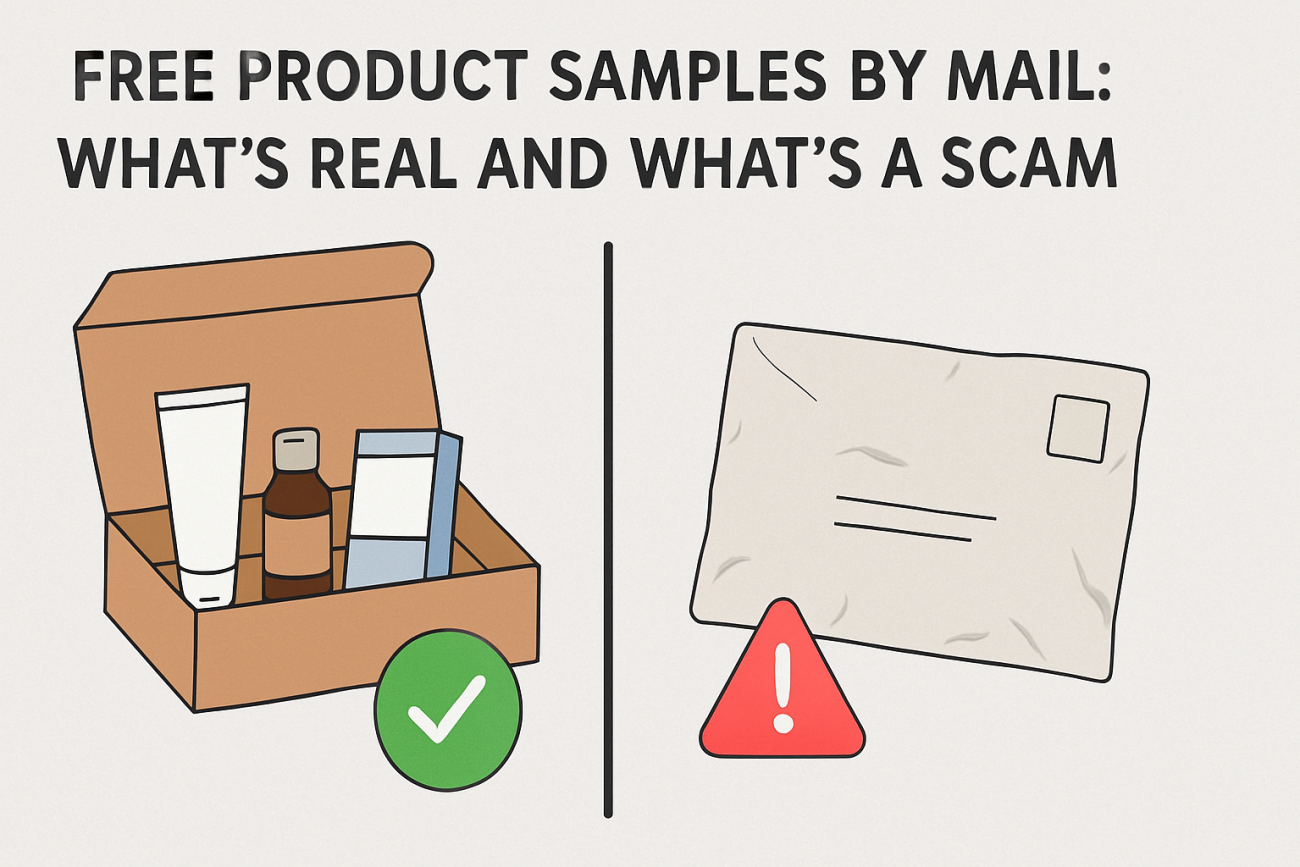
The internet is filled with promises of free stuff, and few are as alluring as the prospect of receiving free product samples directly in your mailbox. From high-end cosmetics to the latest snacks, companies are seemingly giving away their products for nothing. But is it a legitimate marketing strategy, or is it a scam designed to part you from your personal information—or worse, your money? The answer is complex: it’s both.
This article provides a realistic, in-depth look at the world of free samples by mail. We will explore how legitimate programs operate, what you’re really paying with, and how to spot the scams that prey on hopeful consumers. We’ll also share insights from the community to help you navigate this landscape safely and effectively.
Who This Is For / Not For
This guide is for you if:
- You are new to the world of free samples and want to learn the basics.
- You enjoy trying new products and are willing to invest some time in exchange for samples.
- You want to understand the risks and learn how to protect your privacy.
This guide is likely not for you if:
- You are looking for a way to get a large volume of products for free without any effort.
- You are uncomfortable sharing any personal information online.
- You expect to receive high-value items consistently without participating in feedback or marketing activities.
The Reality of
The Reality of “Free”: What Companies Gain
When a company offers a “free” product sample, it’s rarely a purely altruistic gesture. Instead, it’s a calculated marketing strategy where you, the consumer, provide something of value in return. This value exchange typically involves your attention, data, and feedback.
Marketing and Market Research
Companies use free samples to achieve several key objectives:
- Brand Awareness: Introducing new products or reaching new demographics. A sample can be a powerful first impression.
- Product Testing and Feedback: Gathering real-world opinions on product performance, packaging, and appeal before a full-scale launch. This feedback is invaluable for refinement and improvement.
- Consumer Data Collection: Understanding consumer preferences, demographics, and purchasing habits. This data helps companies tailor future marketing campaigns and product development.
- Driving Sales: The hope is that if you like the sample, you’ll purchase the full-sized product and become a loyal customer. Samples often come with coupons or discounts to encourage this next step.
Your Data: The Hidden Currency
One of the most significant, yet often overlooked, aspects of participating in free sample programs is the exchange of your personal data [1]. When you sign up for these programs, you typically provide information such as your name, address, email, demographic details (age, income, household size), and sometimes even specific interests or health conditions. This information is a valuable commodity.
Companies use this data to:
- Target Marketing: Send you advertisements for products they believe you’ll be interested in.
- Personalize Offers: Provide coupons or promotions tailored to your profile.
- Market Research: Analyze trends and consumer behavior on a larger scale.
- Data Selling: In some cases, your data might be anonymized and aggregated, or even sold to third-party data brokers [2]. This practice, while often legal, can lead to increased targeted advertising and a feeling of reduced privacy.
“It’s not a scam if you use the right sites, but it’s also not ‘free’ in terms of time and privacy. You are the product.” – A common sentiment among experienced freebie seekers.
Legitimate Avenues for Free Product Samples
Fortunately, many legitimate platforms and strategies exist for obtaining free product samples. These programs are transparent about their intentions and deliver on their promises, though often with certain expectations from the participant.
Dedicated Free Sample Websites
Several well-established websites act as intermediaries, connecting consumers with brands offering samples. These platforms typically require you to create a profile, answer surveys, and sometimes engage with content to qualify for samples.
- SampleSource: Widely regarded as one of the most reliable platforms, SampleSource partners with major brands to send out boxes of various samples (food, cleaning supplies, personal care) a few times a year. Users often praise the quality and variety of samples. However, demand is high, and samples are claimed quickly [3]. Community Insight: “You have to be fast when the email hits. I got 14 samples in Spring 2025, including RXBARs and laundry bags, but my friend missed out because she checked 30 minutes late.”
- PINCHme: This platform allows you to choose samples based on your profile. You earn “coins” by completing tasks like answering questions, writing reviews, or downloading apps, which can then be redeemed for sample boxes. While many users report receiving samples, some recent community discussions mention longer shipping times and the inclusion of “bonus” magazine subscriptions [4]. Community Insight: “I finally got my box after 4 months. It’s real, but the wait is insane. They also sent me a bunch of magazines I didn’t ask for.”
- Influenster: Geared towards social media users and reviewers, Influenster sends out “VoxBoxes” containing full-sized products in exchange for honest reviews and social media sharing. Success on Influenster often depends on the completeness of your profile and your engagement with the platform [5]. Community Insight: “It took a while to get my first VoxBox, but the full-size skincare line was worth the reviews. I’ve gotten everything from Dior perfume to a 3-pack of tampons.”
- BzzAgent: Similar to Influenster, BzzAgent focuses on word-of-mouth marketing. Participants receive full-sized products and are asked to share their opinions through reviews and social media. The key is to be selected for campaigns that match your profile.
Direct from Brands and Retailers
Many companies offer samples directly through their websites or loyalty programs. This method often provides more control over the types of samples you receive and can be less intrusive regarding data collection, as you’re dealing directly with the brand.
- Baby Registries (Amazon, Target, Walmart): Expecting parents can often receive substantial welcome boxes filled with free baby samples (diapers, wipes, bottles, formula) by creating a registry [6].
- Beauty Retailers (Sephora, Ulta): Loyalty programs like Sephora’s Beauty Insider often include free samples with online orders and a free birthday gift. In-store, politely asking for samples can also yield results.
- Food and Beverage Companies: Many food brands offer coupons or samples directly through their websites or social media promotions.
Aggregator Sites
Websites like MySavings and Freeflys compile lists of free sample offers from various sources. These sites don’t send samples themselves but direct you to the brand’s offer page. While convenient, always exercise caution and verify the legitimacy of the linked offer.
Identifying Scams: Red Flags and Warning Signs
The allure of free products makes the free sample landscape a fertile ground for scammers. Recognizing the warning signs is crucial to protect your personal information and avoid frustration.
Financial Red Flags
- Request for Credit Card Information for “Shipping and Handling”: This is perhaps the most common and significant red flag. Legitimate free samples, especially from major brands or reputable aggregators, rarely require you to pay for shipping. If a credit card is requested, it’s often a tactic to enroll you in a recurring subscription service that’s difficult to cancel [7].
- “Too Good to Be True” Offers: Promises of high-value items (e.g., a new iPhone, a $500 gift card) in exchange for a simple survey or a small “shipping fee” are almost always scams. Companies give away samples, not expensive electronics, for minimal effort.
- Requests for Bank Account or Social Security Numbers: No legitimate free sample program will ever ask for sensitive financial information like your bank account number or Social Security Number (SSN). These are prime targets for identity theft [8].
Website and Communication Red Flags
- Poor Website Design and Grammar: Scam websites often have unprofessional designs, numerous typos, grammatical errors, and broken links. Legitimate companies invest in high-quality online presences.
- Lack of Contact Information or Privacy Policy: A reputable website will have clear contact information (address, phone, email) and a comprehensive privacy policy outlining how your data is collected and used. Absence of these is a major warning sign.
- Generic or Suspicious Email Addresses: Emails from legitimate companies will come from their official domain (e.g.,
support@samplesource.com). Be wary of emails from generic addresses (e.g.,freesamples@gmail.com) or those with slight misspellings of brand names. - Urgency and Pressure Tactics: Scammers often try to rush you into making decisions with phrases like “Act now! Limited time offer!” or “Only 3 left!” This is designed to prevent you from thinking critically or researching the offer.
- Excessive Pop-ups and Advertisements: While some legitimate freebie sites monetize through ads, an overwhelming number of pop-ups, redirects, or intrusive advertisements can indicate a less reputable site.
Data Privacy Concerns and Tradeoffs
Even with legitimate programs, there are inherent tradeoffs, particularly concerning your privacy. Understanding these can help you make informed decisions.
- Increased Spam and Targeted Advertising: By signing up for multiple free sample offers, you are likely to see an increase in promotional emails and targeted ads. Many users create a dedicated email address solely for freebie sign-ups to manage this [9].
- Data Sharing with Third Parties: Read the privacy policy carefully. Many companies state that they may share your data with “partners” or “third parties” for marketing purposes. This is how your information can end up with data brokers [10].
- Time Investment vs. Reward: The process of signing up, filling out surveys, and providing feedback can be time-consuming. While the samples are “free,” your time is a valuable commodity. Weigh whether the potential reward is worth the effort.
- Regional Limitations: Many free sample offers are geographically restricted, primarily to the United States and Canada. Claims of worldwide free samples without clear regional disclaimers should be viewed with skepticism.
How to Approach Free Samples Safely and Effectively
To maximize your chances of receiving legitimate free samples while minimizing risks, adopt a strategic and cautious approach.
- Stick to Reputable Platforms: Prioritize well-known and positively reviewed sites like SampleSource, PINCHme, Influenster, and direct brand offers. Check reviews on independent sites like Trustpilot or community forums like Reddit’s r/freebietalk [3, 4, 5].
- Read the Fine Print: Always read the terms and conditions and, crucially, the privacy policy before signing up. Understand what information you’re providing and how it will be used.
- Use a Dedicated Email Address: Create a separate email account specifically for free sample sign-ups. This helps manage spam and keeps your primary inbox clean.
- Never Provide Sensitive Information: Absolutely avoid giving out your Social Security Number, bank account details, or credit card information unless you are making a direct purchase from a trusted retailer and are certain of the site’s security.
- Be Wary of Shipping Fees: If a site asks for a significant shipping fee for a “free” sample, it’s almost certainly a scam. Small, nominal fees might be legitimate for very niche products from small businesses, but proceed with extreme caution.
- Check for HTTPS: Ensure the website’s URL begins with
https://(indicating a secure connection) and look for a padlock icon in your browser’s address bar. This doesn’t guarantee legitimacy but is a basic security measure. - Research Unfamiliar Sites: If you encounter a new freebie site, do a quick search for reviews. Look for phrases like “[Website Name] scam” or “[Website Name] reviews” to see what others are saying.
- Manage Expectations: Understand that free samples are a bonus, not a primary source of goods. You won’t get rich, and you won’t always qualify for every offer. Patience and persistence are key.
Conclusion: Real Opportunities with Real Caveats
Free product samples by mail are indeed real, offering a genuine opportunity to try new products without upfront cost. However, the landscape is also populated by scams that seek to exploit your desire for freebies. The key to navigating this world successfully lies in vigilance, informed decision-making, and a clear understanding of the value exchange.
By focusing on reputable sources, safeguarding your personal information, and maintaining realistic expectations, you can enjoy the benefits of free samples while avoiding the pitfalls of scams. Remember, if an offer seems too good to be true, it very likely is.
References
[1] CaptainCompliance. (2024, September 7). Data Selling Concerns: Risks & Privacy-Centric Solutions. Retrieved from https://captaincompliance.com/education/data-selling-concerns-understanding-the-risks-and-the-need-for-privacy-centric-solutions/
[2] Usercentrics. Data Selling 101: What You Need To Know To Protect Your Customers’ Privacy. Retrieved from https://usercentrics.com/knowledge-hub/data-is-the-new-gold-how-and-why-it-is-collected-and-sold/
[3] Trustpilot. SampleSource Customer Service Reviews. Retrieved from https://www.trustpilot.com/review/samplesource.com
[4] Reddit. (2025, October). Pinch me is questionable. r/freebietalk. Retrieved from https://www.reddit.com/r/freebietalk/comments/1pz6r3g/pinch_me_is_questionable/
[5] Reddit. (2024, January). My very first Voxbox!. r/Influenster. Retrieved from https://www.reddit.com/r/Influenster/comments/192lgtv/my_very_first_voxbox/
[6] Making Sense of Cents. (2025, June). 9 Real Ways To Get Free Samples (Yes, These Actually Work!). Retrieved from https://www.makingsenseofcents.com/2025/06/how-to-get-free-samples.html
[7] Experian. (2025, December 9). 8 Common Credit Card Scams and How to Avoid Them. Retrieved from https://www.experian.com/blogs/ask-experian/credit-card-scams-and-how-to-avoid-them/
[8] FTC. How To Recognize and Avoid Phishing Scams. Retrieved from https://consumer.ftc.gov/articles/how-recognize-avoid-phishing-scams
[9] Reddit. (2015, March). Free Stuff/samples and identity theft?. r/Frugal. Retrieved from https://www.reddit.com/r/Frugal/comments/304x9a/free_stuffsamples_and_identity_theft/
[10] CNBC. (2024, October 11). The Data Brokers Have On You & How To Get It Back. Retrieved from https://www.cnbc.com/2024/10/11/internet-data-brokers-online-privacy-personal-information.html