In the high-speed digital landscape of 2026, visual content has evolved from a luxury into the fundamental language of effective communication. For entrepreneurs, small business owners, and content creators, the ability to source high-quality imagery is a critical competitive advantage. The vast ecosystem of free stock photography offers an invaluable resource, but it is far from a simple “free-for-all.” To leverage these stock photos assets effectively—and more importantly, legally—one must move beyond the surface-level concept of “free” and embrace a strategic understanding of the inherent trade-offs.
This comprehensive guide is built on the principles of Experience, Expertise, Authoritativeness, and Trustworthiness (E-E-A-T). We provide a clear, actionable framework for navigating the complex legal and practical constraints of using free imagery in 2026. From understanding the “Pink Tax” of hidden data costs to mastering the latest AI-driven search strategies, this roadmap will protect your brand while elevating your visual storytelling.
Last updated: February 2, 2026. This guide is regularly updated to reflect the latest changes in image licensing and AI-driven visual trends.
Section 1: The Hidden Cost of “Free” Imagery with Stock Photos
When a platform offers a high-resolution image at no monetary cost, it is participating in a value exchange. The “cost” you pay is often indirect, but it is a cost that must be factored into your long-term content strategy. Understanding these trade-offs is the first step toward a mature, professional approach to visual asset management.
1. The Legal Burden: Your Ultimate Responsibility
The most critical hidden cost of free stock photos is the assumption of legal responsibility. When you download a free image, the burden of ensuring you have the right to use it—especially for commercial purposes—falls entirely on your shoulders. This includes:
- Verifying the specific license (CC0 vs. Proprietary).
- Checking for model and property releases.
- Adhering to usage restrictions (e.g., no sensitive use).
While paid stock agencies like Shutterstock or Adobe Stock absorb much of this risk through indemnification, free platforms transfer it directly to the user.
2. The Risk of Stock Photos Visual Sameness
The most popular free images on platforms like Unsplash are downloaded and used millions of times. This leads to a pervasive “visual sameness” that can actively work against your brand. If your competitor, a local business, and a major corporation are all using the same hero image, your content immediately loses its unique impact and authority.
3. Data as Currency
Many free platforms use their offerings as a lead-generation tool. The value they receive is often your data, your attention, and the opportunity to upsell you to a premium service. In 2026, this model has become even more sophisticated, with AI tracking your visual preferences to serve highly targeted advertisements.
Section 2: The Stock Photos Legal Imperative—Licensing and Releases
Ignoring the legal framework is the fastest way to turn a free asset into a costly liability. In 2026, copyright enforcement has become increasingly automated, with AI bots scanning the web for unauthorized image use.
Copyright Licensing: The Right to Use the Photo
This refers to the photographer’s right to the image itself. The two most common licenses in the free stock world are:
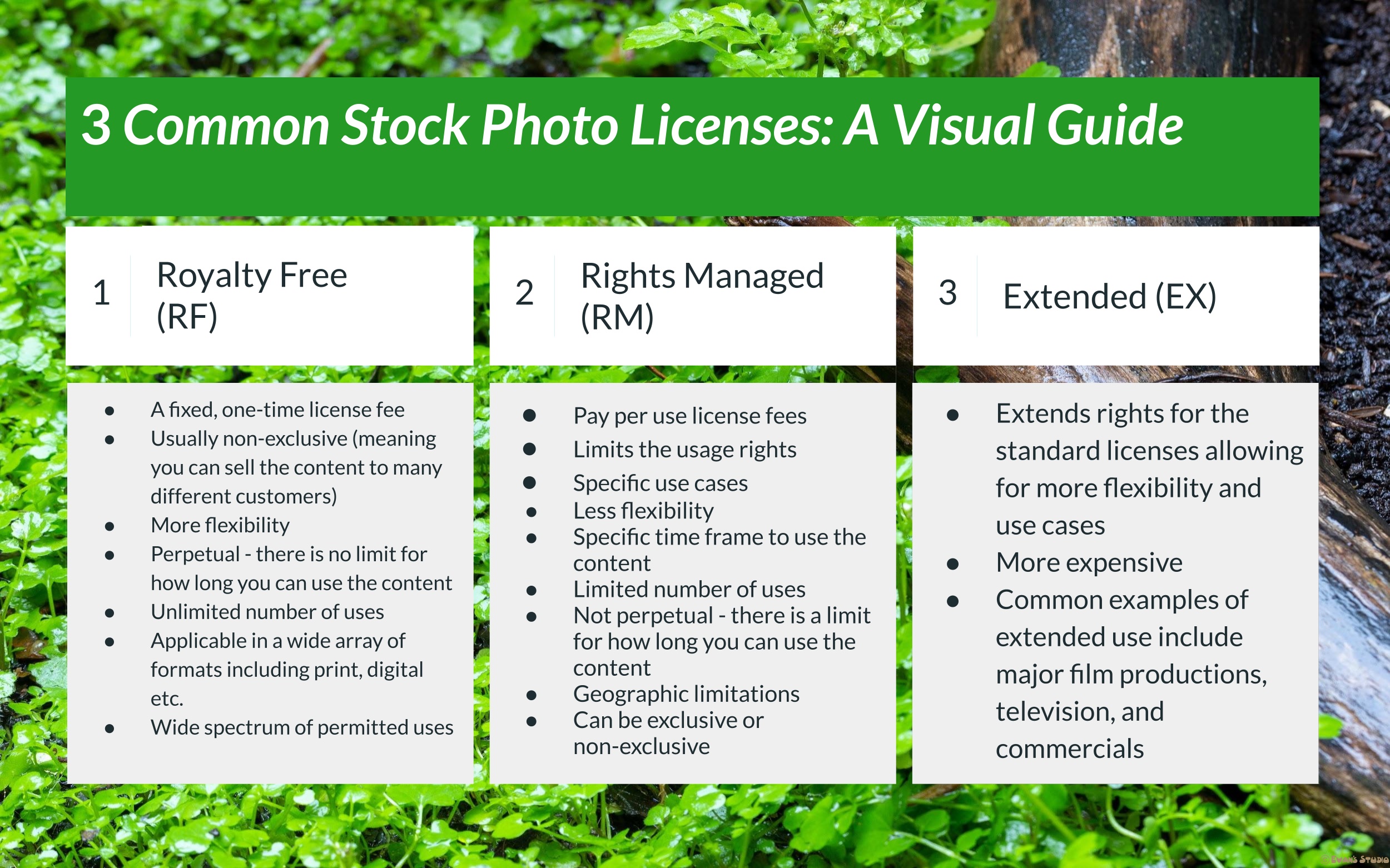
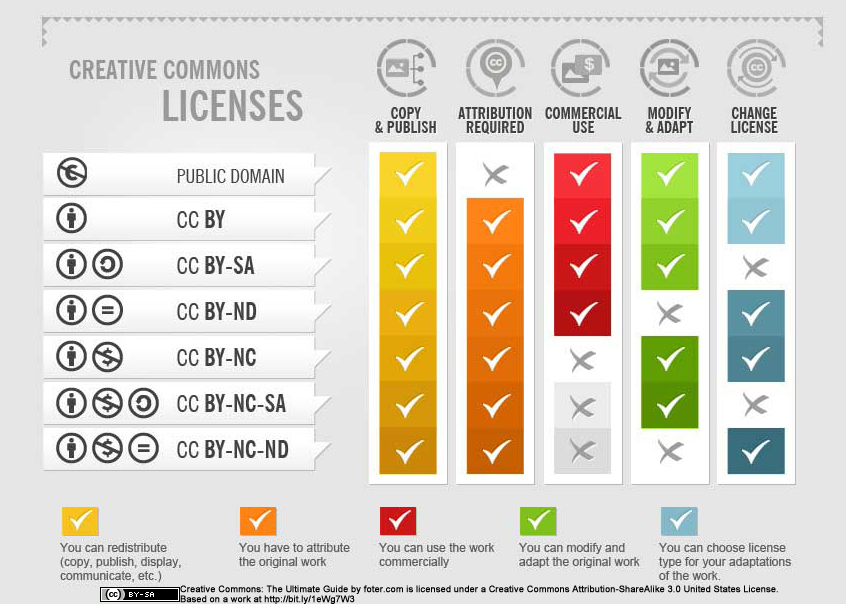
1. Creative Commons Zero (CC0)
The CC0 license is the gold standard for flexibility. When a photographer dedicates their work to CC0, they waive all their rights worldwide. This means you can copy, modify, distribute, and use the image for any purpose without attribution. However, as we will discuss, this does not cover the people inside the photo.
2. Proprietary Free Licenses (Unsplash, Pexels, etc.)
Platforms like Unsplash and Pexels operate under custom licenses. These are highly permissive but include specific, non-negotiable restrictions:
- No Sensitive Use: You cannot portray a person in a defamatory or misleading way.
- No Competing Services: You cannot use their images to create a rival stock photo site.
The Single Biggest Risk: Model and Property Releases
This is the area where even CC0-licensed images can expose you to significant legal risk. A copyright license only covers the photographer’s right to the image; it does not cover the rights of the people or property featured.
- Model Release: A legal document signed by a recognizable person in a photo, granting permission for their likeness to be used commercially.
- Property Release: A similar document for recognizable private property (e.g., a unique building or a private garden).
The Expert Constraint: Most free stock photo sites do not guarantee that these releases have been obtained. For any high-stakes commercial project, the small cost of a paid image with a guaranteed release is a necessary business expense that buys you legal peace of mind.
Section 3: The Three Pillars of Free Stock Photos in 2026
To demonstrate expertise, you must know how to use the unique features of the major platforms to minimize risk and maximize impact.
1. Unsplash: The Cinematic Leader
Unsplash is known for its modern, cinematic, and often moody aesthetic. It is the platform that popularized high-quality free imagery.
- Expert Strategy: To avoid overused images, do not rely on the “Popular” tab. Instead, filter your search by “New” or explore curated collections from lesser-known photographers.
- 2026 Update: Unsplash now integrates AI-powered “visual search” that allows you to upload a sketch or a similar image to find a free alternative.
2. Pexels: The Commercial Workhorse
Pexels offers a more diverse range of vibrant and commercial-friendly images, along with an extensive library of free stock videos.
- Expert Strategy: Pexels aggregates photos from various sources. Always check the photographer’s profile and the number of downloads. If an image has millions of downloads, treat it with caution.
- Trade-off: Quality can be less consistent than Unsplash, requiring more diligent vetting.
3. Pixabay: The All-in-One Veteran
Pixabay is the veteran of the free stock world, offering photos, vectors, illustrations, and even music.
- Expert Strategy: Use Pixabay for its extensive collection of free vectors and illustrations. For abstract concepts, a high-quality vector is often more unique and legally safer than a photograph of a person.
Section 4: The Actionable Strategy for Safe and Unique Stock Photos Use
A professional workflow for using free stock photos must incorporate mandatory vetting steps.
Step 1: Vetting the Source
Only download from reputable sites. Avoid obscure, ad-heavy sites that make vague claims about licensing, as these are often the source of legal trouble.
Step 2: The “Recognizable Subject” Test
Before downloading, ask:
- Is there a recognizable person? If yes, do not use it for commercial ads without a confirmed model release.
- Are there visible logos or trademarks? If yes, look for images where these are blurred or absent to avoid trademark infringement.
Step 3: Mandatory Reverse Image Search
This is the most effective way to combat visual sameness. Use a tool like Google Lens or TinEye on any image you plan to use prominently.
- If the image appears on dozens of high-profile sites, find an alternative.
- If it appears only on the stock site, it is a strong candidate for unique use.
Step 4: Modify and Contextualize
To demonstrate first-hand experience and brand alignment, never use a free stock photo “as is.”
- Crop and Zoom: Focus on a specific detail to change the composition.
- Color Overlay: Apply a brand-specific filter to integrate the image into your visual identity.
- Text Integration: Use the image as a background for data points, making it a functional part of your content.
Section 5: The Professional Best Practice—Attribution
While most free licenses do not require attribution, it is a professional best practice to credit the photographer. This supports the community and provides a small layer of legal protection by demonstrating good faith. A simple caption like “Photo by [Name] on [Platform]” is sufficient.
Stock Photos Frequently Asked Questions (FAQ)
Can I use free stock photos for my business website?
Yes, but you must ensure the license allows commercial use. Stick to reputable sites like Unsplash, Pexels, and Pixabay, and avoid images with recognizable people unless you are certain a model release exists.
What is the difference between CC0 and Royalty-Free?
CC0 is a “no rights reserved” license where the creator waives all rights. Royalty-Free is a paid license where you pay a one-time fee to use the image multiple times without paying additional royalties.
How do I know if an image is AI-generated in 2026?
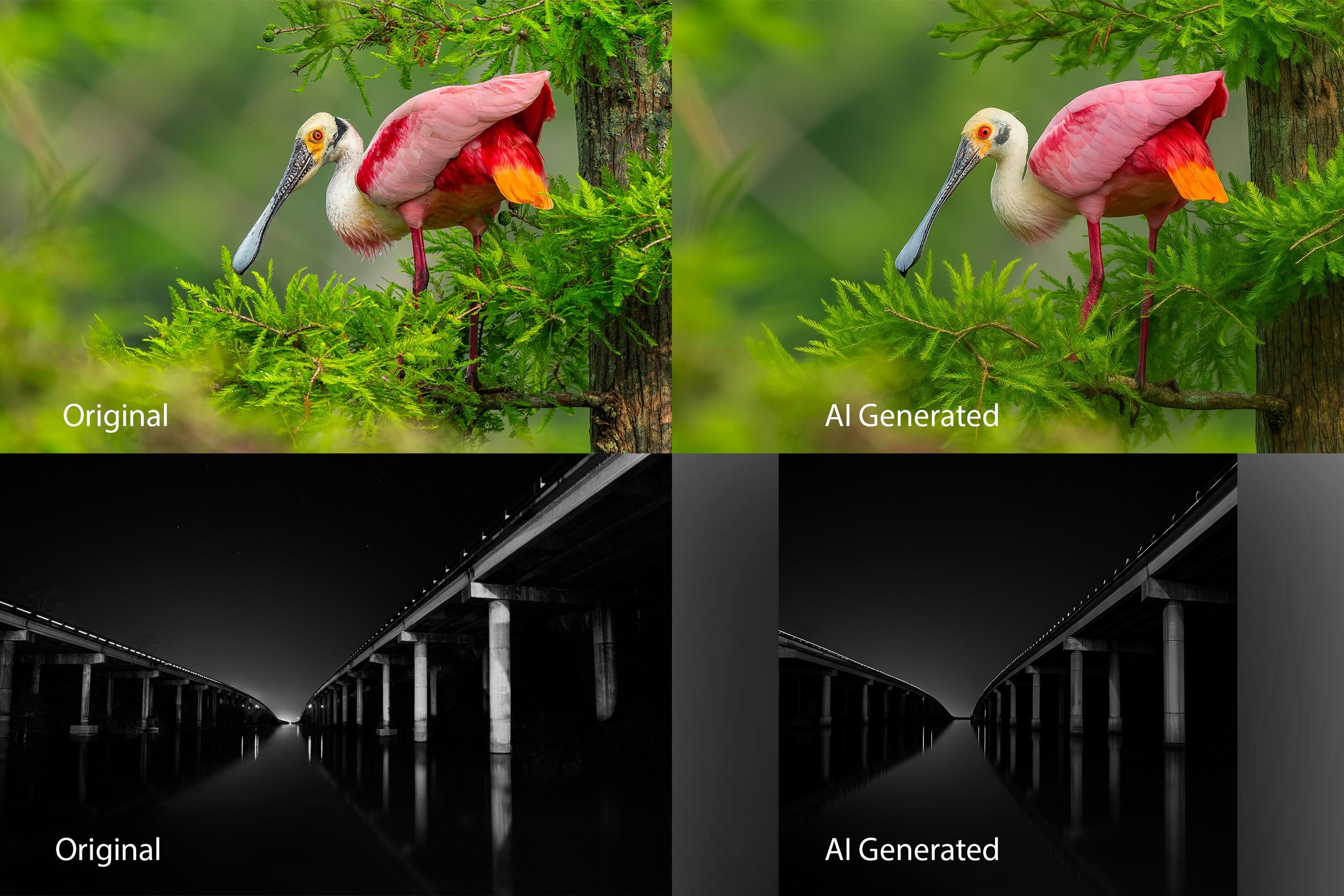
Many platforms now tag AI-generated content. You can also look for “AI artifacts” like distorted fingers or inconsistent background patterns. In 2026, many cameras also embed “Content Credentials” to prove an image is a real photograph.
Conclusion
The world of free stock photos is a powerful tool for creators operating with limited resources. By adopting a mindset that views “free” as a trade-off—exchanging monetary cost for increased legal responsibility—you can approach these resources with the necessary caution and strategic expertise.
Focus on reputable platforms, understand the limitations of a CC0 license, and make reverse image searching a mandatory part of your workflow. By following this realistic, E-E-A-T-driven approach, you can confidently find the perfect visuals for any project, ensuring your content is both stunning and legally sound in 2026.
References:
- Unsplash: License and Terms of Use
- Pexels: Free Stock Photo & Video License
- Creative Commons: About CC0 – “No Rights Reserved”
- U.S. Copyright Office: Fair Use and Image Rights
- TinEye: Reverse Image Search Tool

Taylor Brooks is our resident expert on everything that can be downloaded, streamed, or played for free. With a career spanning over seven years in the educational technology sector, Taylor is uniquely qualified to separate high-value learning resources from low-quality “freemium” traps. At AllFreeStuff.com, Taylor handles the gaming and digital download beats, rigorously testing free-to-play titles and creative software suites for hidden microtransactions. Taylor is committed to the “Open Web” philosophy, constantly hunting for the best free stock assets, coding courses, and digital tools to help the next generation of creators build for free.