The start of a new year often brings with it a renewed sense of purpose—a desire to learn new skills, organize your digital life, or simply save money. While the internet is awash with promises of instant wealth or effortless gains, the reality of finding genuinely valuable free stuff requires a clear strategy, a realistic mindset, and an understanding of the true cost of what you receive. This article is a practical guide for beginners and early intermediates, designed to cut through the hype and show you where to find legitimate, high-quality free resources that can genuinely improve your life in the new year.
The Realistic Mindset: Understanding the “Cost” of Free
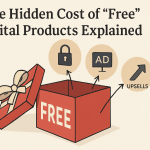
Before diving into the resources, it is crucial to establish a realistic foundation. In the digital age, “free” rarely means zero cost. Instead, it usually involves a trade-off. This trade-off can be your time, your data, or your attention. Understanding this is the first step toward becoming a savvy consumer of free resources.
- Time as Currency: Many valuable free offerings, particularly in education and software, require a significant investment of your time to learn and implement. A free course is only valuable if you dedicate the hours to complete it.
- Data as Payment: Free software and services often operate on a “freemium” model or collect user data for advertising and product improvement. You must weigh the utility of the free product against the privacy you are giving up.
- Effort and Availability: Physical free samples are often limited in quantity, require you to fill out lengthy surveys, or are only available to specific demographics. The effort to track them down can sometimes outweigh the value of the item.
Our focus here is on legitimate freebies—offers from reputable institutions and companies that provide genuine value without excessive risk or unrealistic expectations.
Section 1: The Free Education Revolution
The most transformative free resources available today are in the realm of education. Top universities and major companies have opened their digital doors, offering world-class learning opportunities that can lead to significant skill development and career advancement.
University-Level Learning and Auditing
You no longer need to pay tens of thousands of dollars to access lectures from the world’s best institutions. The concept of “auditing” a course—accessing all the lecture materials, readings, and assignments without receiving official credit or a certificate—is a game-changer for self-learners.
- Massive Open Online Courses (MOOCs): Platforms like Coursera and edX partner with universities to offer thousands of courses. While they charge for official certificates, you can often enroll in the “audit track” for free. This gives you access to the core content, allowing you to learn a new programming language, delve into history, or master data science concepts at your own pace.
- OpenCourseWare: Institutions like MIT OpenCourseWare and Stanford Online provide entire course materials—including syllabi, lecture notes, and exams—completely free. This is raw, high-quality academic content, but it requires a high degree of self-discipline as there is no instructor interaction or formal structure.
- Specialized Content: Even prestigious institutions like Harvard Online offer free lessons and short courses, often focusing on leadership, business, or public health, providing a valuable, low-commitment way to sample high-level instruction.
The Trade-off in Free Education: The primary constraint is the lack of an official, accredited certificate. If your goal is personal enrichment and skill development, the free audit is perfect. If you need a credential for a job application, you will eventually need to pay for the verified certificate track.
Professional and Trade Skills
Beyond traditional academia, many industry leaders offer free training designed to onboard new users and create a skilled workforce familiar with their products. These often lead to valuable, industry-recognized free certifications.
- Marketing and Sales: HubSpot Academy provides comprehensive, free training and certifications in inbound marketing, content creation, and sales. These are highly respected in the digital marketing industry and are a fantastic way to build a resume.
- Skilled Trades: Companies like Home Depot offer programs like Path to Pro, which provides free virtual training and entry-level certificates for skilled trades. This is a practical example of a company investing in future talent, and it provides a clear, actionable path for those looking for a career change.
Section 2: Essential Free Software and Digital Tools
The cost of essential software—from word processors to graphic design suites—can quickly add up. Fortunately, the rise of open-source and freemium models means you can access powerful, professional-grade tools for free. The key is to embrace the learning curve that often accompanies these free software alternatives.
Productivity and Office Suites
You do not need to pay a monthly subscription for basic document creation, spreadsheets, or presentations.
- Open-Source Office: LibreOffice is a powerful, community-driven office suite that includes a word processor (Writer), a spreadsheet program (Calc), and a presentation tool (Impress). It is fully compatible with Microsoft Office file formats and is completely free, with no hidden costs or data collection. The trade-off is that its interface can feel slightly less polished than its paid counterparts, and advanced collaboration features may be limited.
Creative and Design Tools
The barrier to entry for creative work has been dramatically lowered by open-source tools and generous freemium tiers.
- Image Editing: GIMP (GNU Image Manipulation Program) is the leading free software alternative to Adobe Photoshop. It is a full-featured raster graphics editor capable of professional-level work, including layers, filters, and masks. The learning curve is steep, and the interface is non-standard, but the power is undeniable.
- Vector Graphics: For creating logos, illustrations, and scalable graphics, Inkscape is the free, open-source alternative to Adobe Illustrator. It is a powerful tool for anyone interested in graphic design or web development.
- Video Editing: DaVinci Resolve offers a free version that is more powerful than many paid video editors. It is used by Hollywood professionals and includes advanced features for editing, color correction, visual effects, and audio post-production. The free version is fully functional, with the main constraint being the lack of certain high-end features and collaborative tools found in the paid Studio version.
- Quick Design: For quick social media graphics, presentations, and flyers, the free tier of Canva is invaluable. It provides access to thousands of templates and a vast library of free stock photos and design elements. The limitation is that you will be restricted from using premium templates and features, and your design assets will be stored on their platform.
The Trade-off in Free Software: The primary constraint with open-source tools like GIMP and Inkscape is the user experience. They are powerful but often require more effort to master than commercial software. With freemium tools like Canva and DaVinci Resolve, the trade-off is feature limitation; you get 90% of the functionality for free, but the final 10% (often collaborative or high-resolution export features) is reserved for paying customers.
Section 3: Physical Freebies and Local Resources
While digital free resources are abundant, finding physical free stuff requires a different approach, often involving community engagement or a willingness to exchange personal information for a sample.
Free Samples and Product Testing
Companies offer free samples by mail to generate buzz, gather consumer data, and encourage future purchases. These are legitimate, but they require patience and a willingness to manage your inbox.
- Sample Aggregators: Websites like PINCHme and SampleSource act as intermediaries. You sign up, fill out a detailed profile (the data trade-off), and they match you with available samples—ranging from beauty products to pet food. In return, you are expected to provide honest feedback on the products.
- Constraint: Availability is limited, and you must be quick to claim samples when they drop. You are also trading your detailed consumer data for the products.
- Coupon and Deal Sites: Sites like The Krazy Coupon Lady and Hip2Save track legitimate freebies and “moneymaker” deals (where a rebate or coupon makes the final cost zero or even positive). These often involve in-store deals, requiring you to use a store app or manufacturer coupon.
Hyper-Local Community Freebies
Some of the best free stuff is found right in your neighborhood, facilitated by local gift economies. These are based on the principle of giving and receiving without money, often resulting in high-quality, used items.
- The Freecycle Network: This is a global network of local groups dedicated to keeping usable items out of landfills. Members post items they want to give away (furniture, electronics, clothes), and others claim them. It is entirely non-profit and based on local pickup.
- The Buy Nothing Project: Operating through hyper-local social media groups (often on Facebook), this project encourages neighbors to “give freely, and ask freely.” It is a powerful way to get everything from a cup of sugar to a child’s bicycle, fostering community bonds in the process.
The Trade-off in Physical Freebies: The primary constraints are privacy and effort. Signing up for sample sites will increase the volume of marketing emails you receive, and you must be diligent about creating a separate email address for these activities. Local freebies require you to coordinate pickups with strangers and be flexible about what is available.
Section 4: A Practical Guide to Vetting Free Offers
The new year is a prime time for scams and low-value offers disguised as freebies. To ensure you are only pursuing legitimate, high-value resources, follow this actionable vetting process.
1. Check the Source and Reputation
Always ask: Who is offering this, and why?
- Reputable Institutions: Offers from established universities (MIT, Harvard), major corporations (HubSpot, Blackmagic Design), or government/non-profit organizations are almost always legitimate. Their goal is brand building, talent acquisition, or public service.
- Third-Party Vetting: For free samples and deals, rely on established deal-tracking sites like The Krazy Coupon Lady or Hey, It’s Free!. These sites have a reputation to maintain and actively filter out scams.
- Open-Source Community: For free software, check the project’s activity on platforms like GitHub. A healthy open-source project (like GIMP or LibreOffice) will have frequent updates, a large community, and transparent development.
2. Evaluate the Trade-off
Before clicking “Sign Up,” clearly identify what you are giving in exchange for the free resource.
| Freebie Category | Primary Trade-off | Actionable Mitigation Strategy |
|---|---|---|
| Online Courses | Time commitment, lack of official credit. | Create a dedicated study schedule; only pursue courses relevant to your goals. |
| Freemium Software | Limited features, data storage on their servers. | Use the free tier until you hit a hard limit; use a separate, non-critical account for initial testing. |
| Open-Source Software | Steeper learning curve, non-standard interface. | Commit to a structured tutorial (often available on YouTube) before giving up. |
| Physical Samples | Personal data (email, address), survey time. | Use a dedicated “freebie” email address; never use your primary phone number or financial information. |
| Local Community | Effort to coordinate pickup, flexibility on item condition. | Be polite, communicate clearly, and be prompt for scheduled pickups. |
3. Protect Your Digital Footprint
The most significant risk with many free resources is the potential for increased spam and data exposure.
- Dedicated Email: Create a secondary email address specifically for signing up for free samples, newsletters, and software trials. This keeps your primary inbox clean and minimizes the risk of phishing attacks.
- Virtual Mailbox: For physical samples, consider using a virtual mailbox service if you are concerned about giving out your home address, though this often involves a small monthly fee, making the “freebie” less free.
- Read the Privacy Policy: While tedious, a quick scan of the privacy policy for any free software or service can reveal what data they collect and how they use it. If the policy is vague or non-existent, move on.
Conclusion: The Path to Smart Savings
The new year is an excellent time to leverage the wealth of free resources available, but success depends on a realistic, strategic approach. Forget the hype about getting something for nothing. Instead, focus on the genuine value exchange: trading your time, attention, and a controlled amount of data for high-quality education, powerful free software, and useful physical goods.
By prioritizing legitimate sources, understanding the trade-offs, and implementing smart digital hygiene, you can successfully navigate the world of free stuff and make significant progress toward your personal and professional goals this year without breaking the bank. The resources are out there; your job is to find them, vet them, and put them to work.